

High-pressure injection engineering (commonly known as “grouting” or “resin injection”) is a professional technique that uses continuous mechanical pressure to inject foaming agents into structural cracks. By using a high-pressure injection machine to pump the foaming agent directly into the water leakage area, the chemical expands and thoroughly fills the gaps. This technique is widely applied in structural waterproofing and structural reinforcement engineering, effectively resolving deep-seated and micro-seepage issues.
Custom Furniture Process Steps
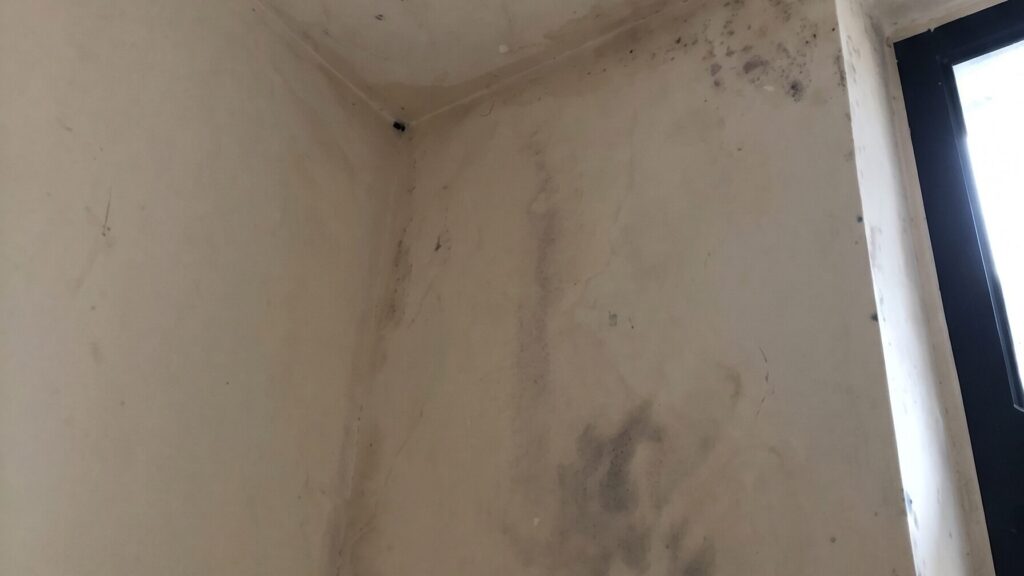
Residential Window Frame Water Seepage
Gaps form along window frame edges due to wind and rain erosion. High-pressure injection is used to fill these voids and resolve water seepage.
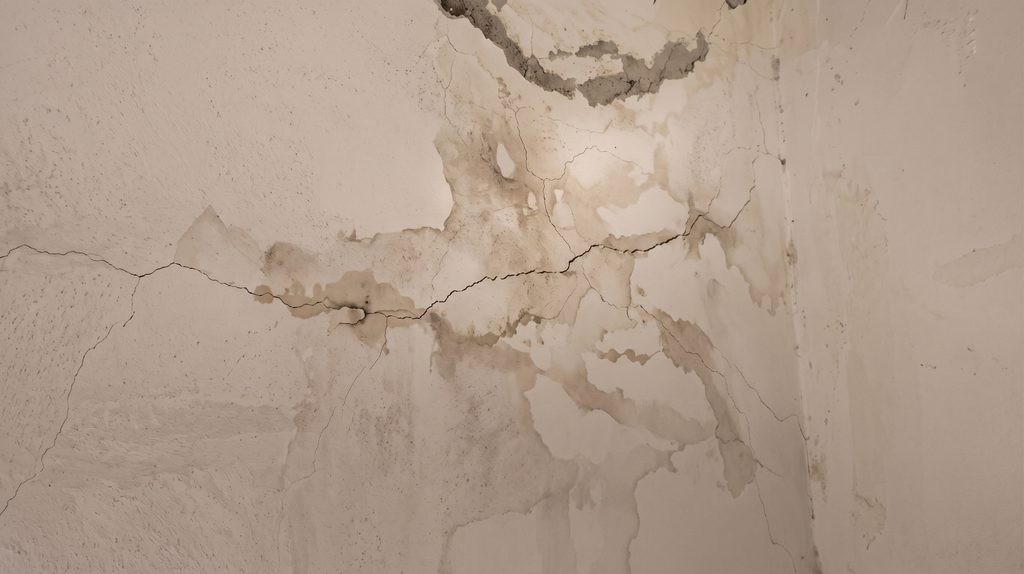
Wall Crack Seepage
When rainwater infiltrates through wall cracks, mechanical pressurization is utilized to drive the chemical agent deep into and effectively seal off the leakage pathways.
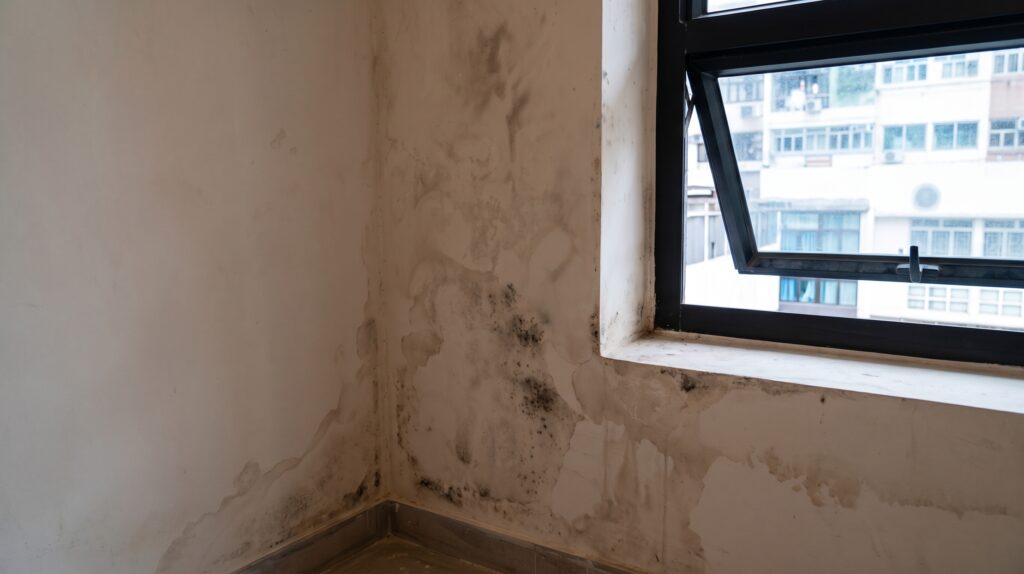
Localized Cracks Caused by Construction
Targeted injection repair is performed on localized cracks and joint leakages resulting from construction, achieving thorough water-stop sealing.
Standard Construction Steps
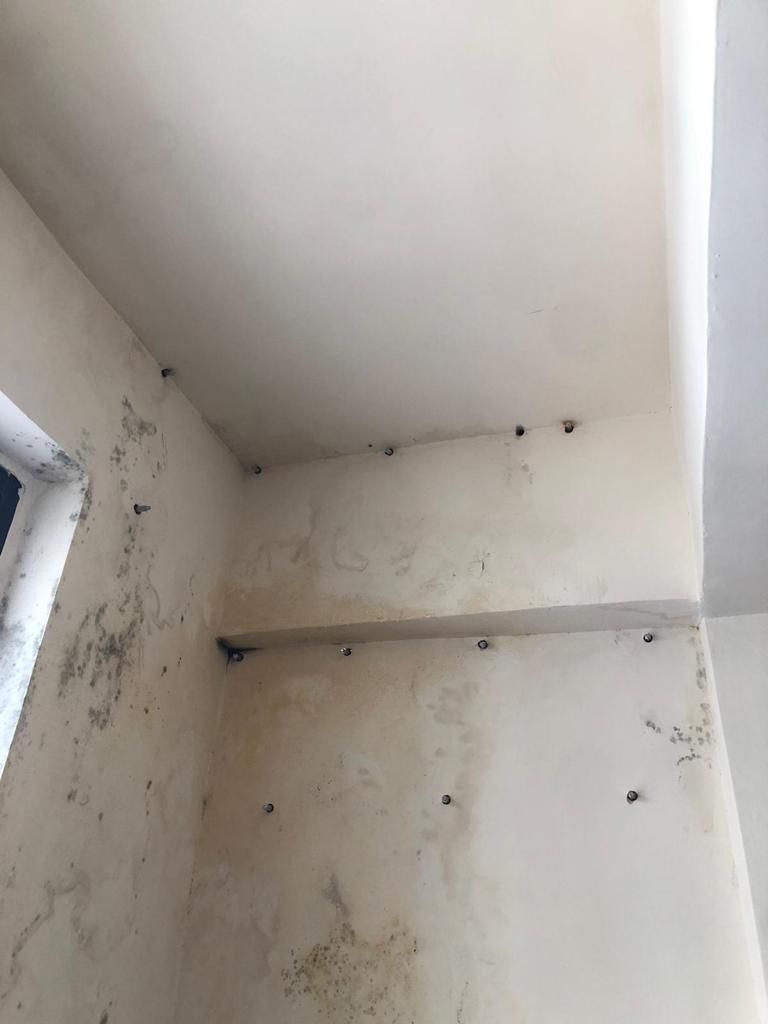
STEP 01
Crack Locating & Cleaning
Locate the exact water leakage area. If the substrate is damp, clear away standing water first; if the wall surface is dry, use an air compressor to remove surface dust.
STEP 02
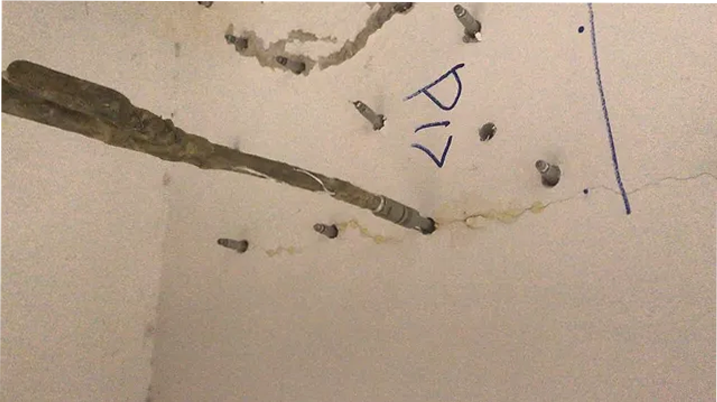
Precise Drilling
When drilling, the thickness of the concrete structure must be taken into consideration, and the hole spacing must be strictly set according to the actual seepage conditions.
STEP 03
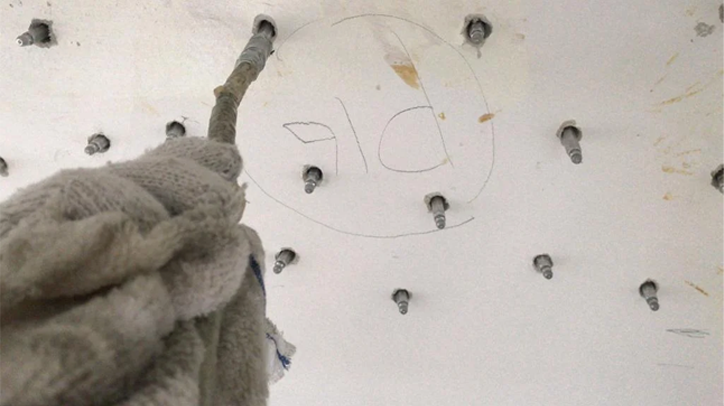
Installing Water-Stop Packers
Firmly embed the water-stop packer, serving as the critical connector for injecting the grout into the cracks.
STEP 04
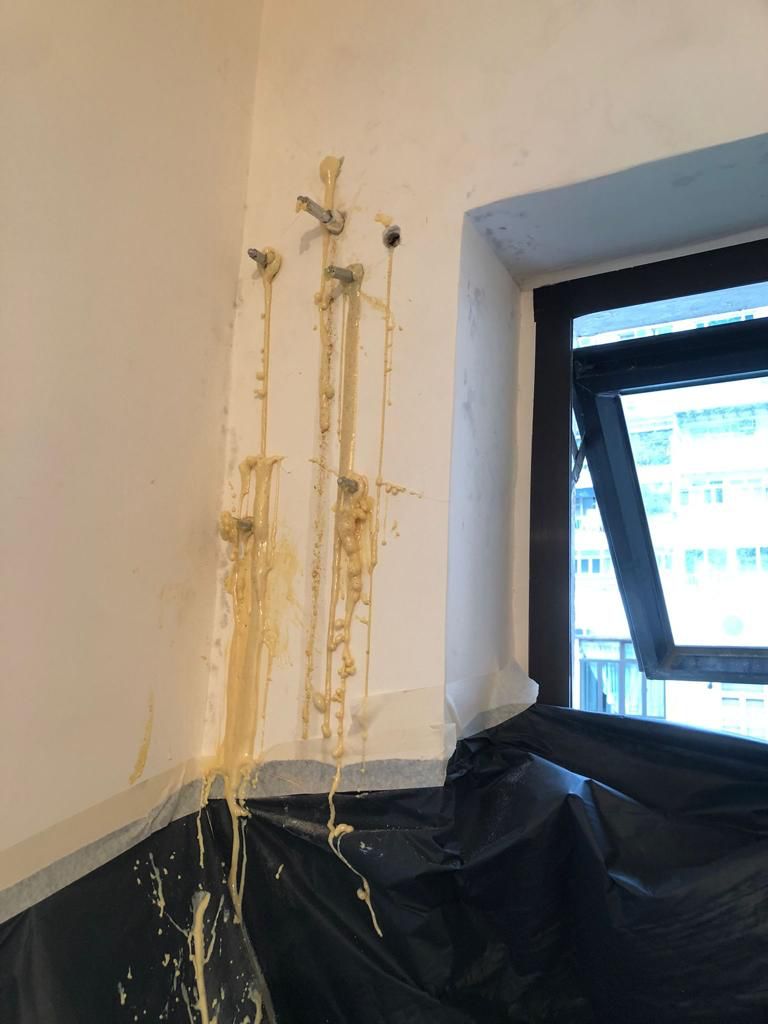
Low-Pressure Grouting & Hole Sealing
Start from low pressure and gradually increase it. When the grout reaches the adjacent hole, move to the next one and continue. Once completed, remove the injection packers and seal the holes with hydraulic plug (water-stop cement).