Injection Engineering

WATERPROOFING
ENGINEERING


Roof and basement waterproofing are among the most fundamental of all waterproofing works, and a structurally sound roof alongside a dry basement is of the utmost importance. However, to this day, no single material can meet the requirements of an entire waterproofing system, and material selection always involves weighing costs against material compatibility.

In addition, to achieve the expected construction quality, the craftsmanship and analytical skills of the applicator are also core elements that we highly value. Surface renovation engineering is divided into two major categories:

Concrete Surface Construction

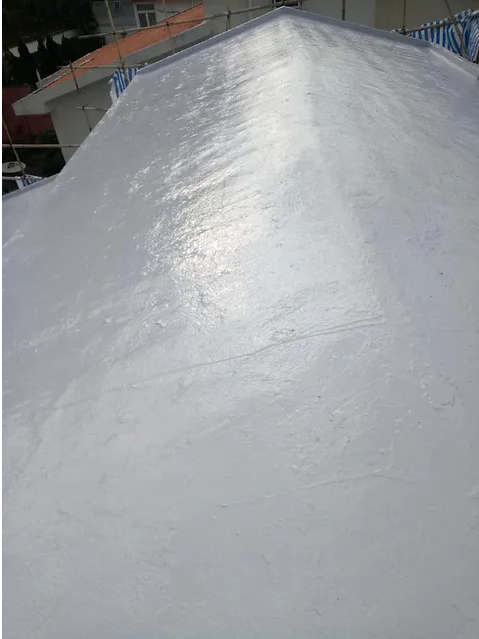
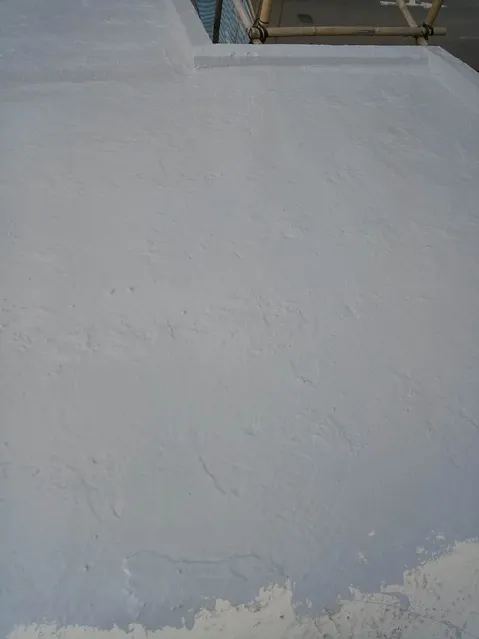
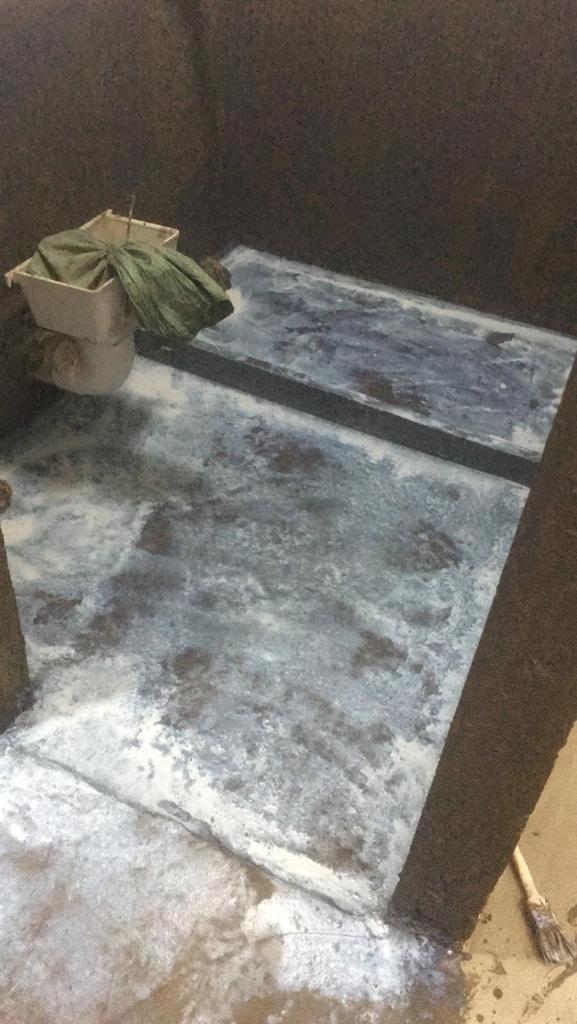
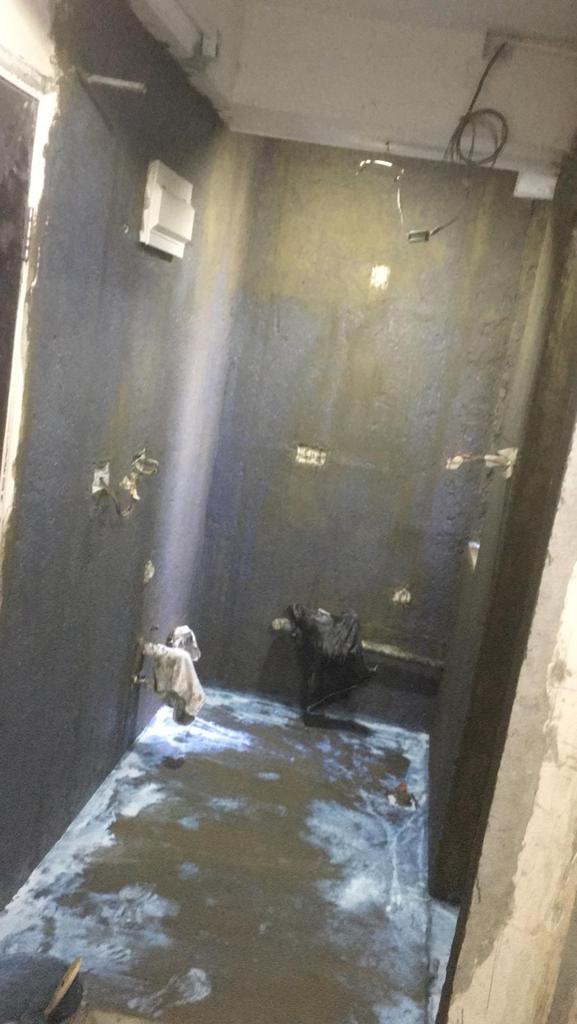
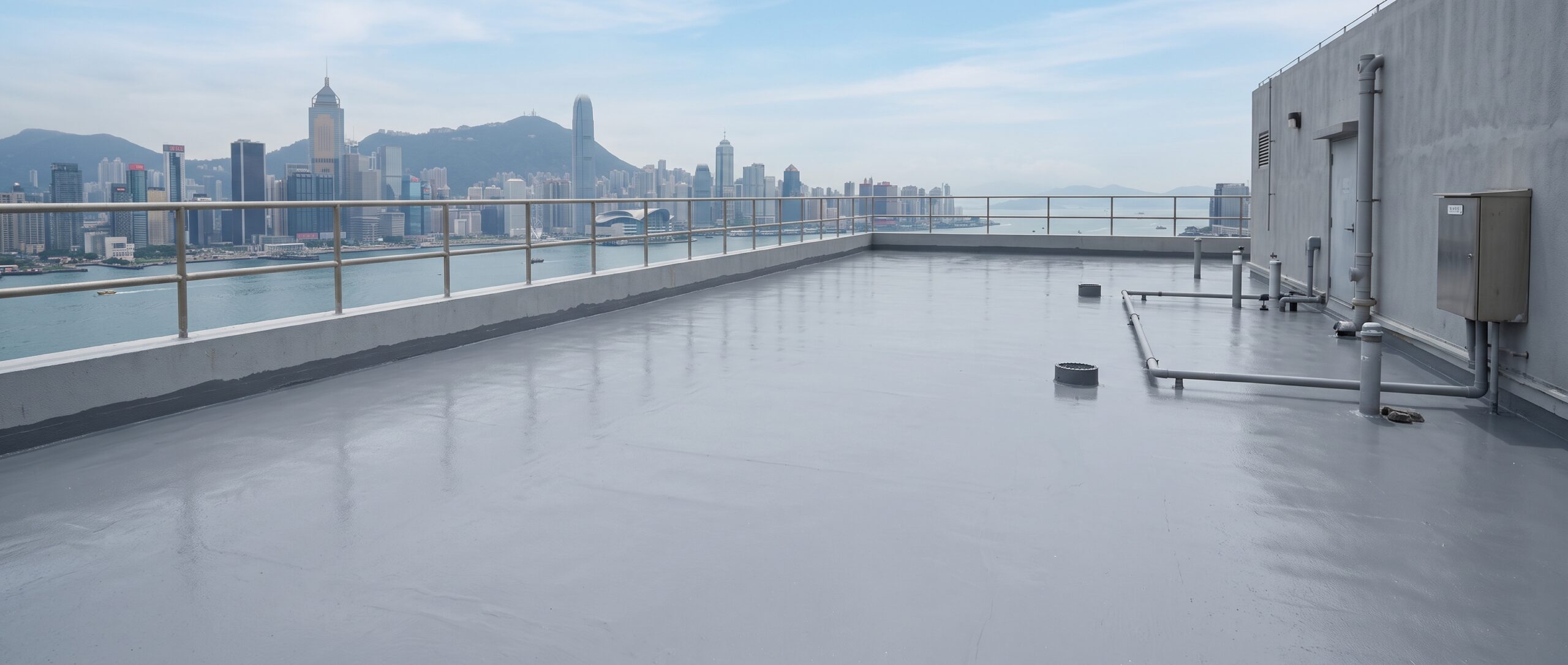
Taking liquid polyurethane (PU) waterproofing membrane as an example, its primary advantage is direct adhesion to the substrate surface, forming a seamless membrane. In the event of any damage, the leakage area remains localized, facilitating straightforward repairs.
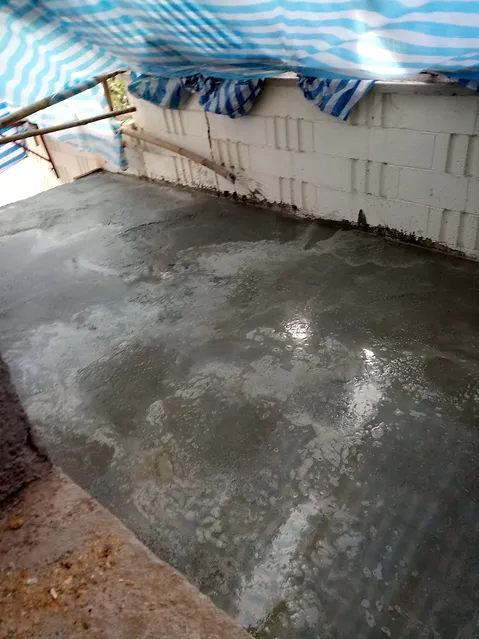
Since structural joints and concrete cracks are the most frequent locations for membrane rupture, maintaining uniform thickness across the waterproofing membrane is essential. By installing fiberglass mesh, we can effectively control thickness while reinforcing the waterproofing membrane, particularly at corner junctions. Crucially, prior repair of cracks and joints using resin injection, alongside repairing concrete honeycombs with cement-additive slurry, represents an essential step to ensure the long-term durability of the waterproofing works.

Flooring Surface Construction

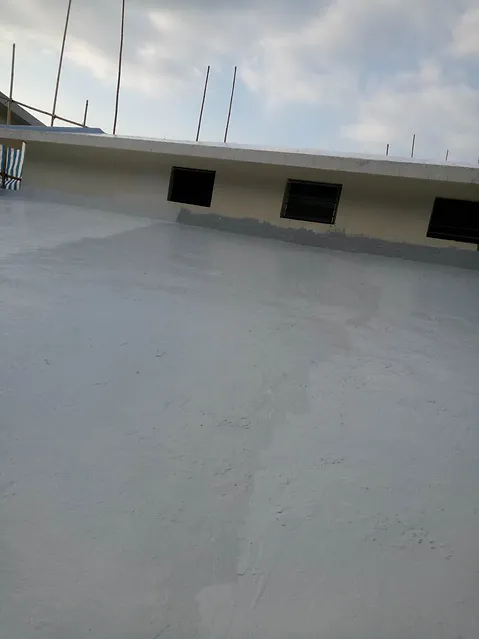
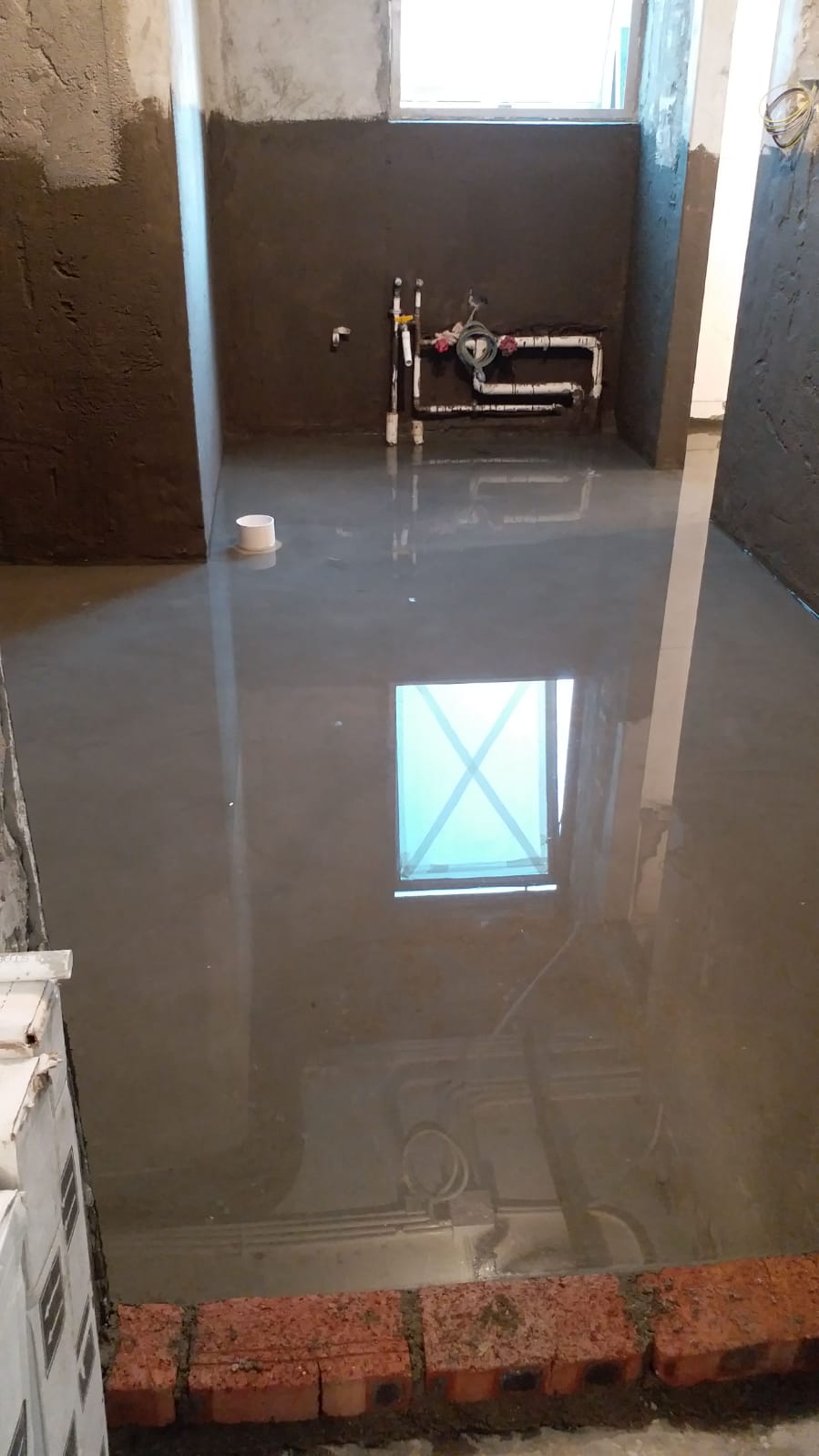
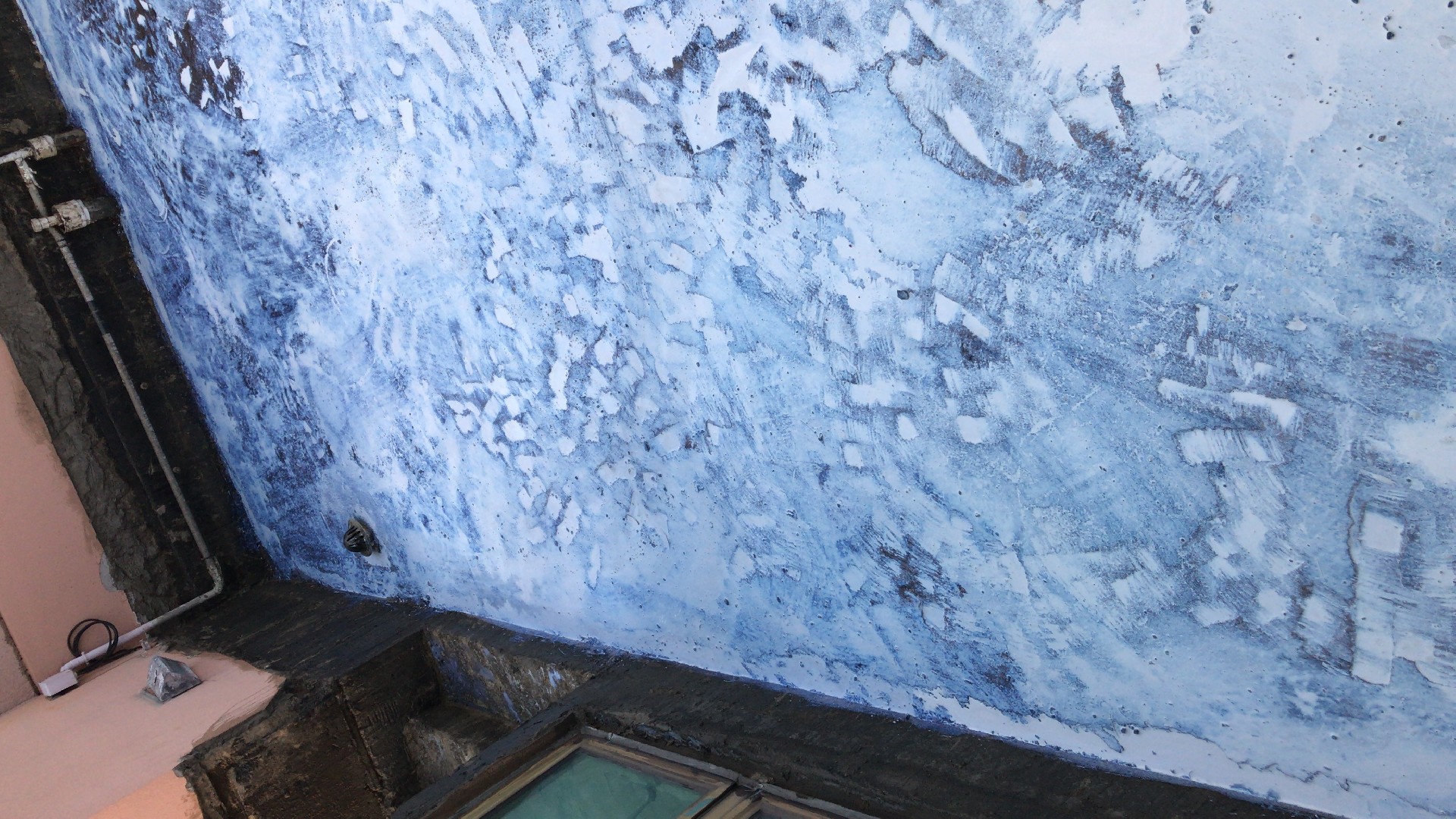
When the flooring surface requires no decorative finishes, the most economical and convenient method is to apply the waterproofing layer directly onto the floor surface. However, exposed waterproofing systems are susceptible to wear and puncture; furthermore, trapped air within the subfloor expands and contracts daily as it releases outward, causing the waterproofing membrane to gradually blister. To resolve these issues, we utilize seamless waterproofing membranes to ensure overall integrity and incorporate fiberglass mesh to reinforce the structure. When employing this waterproofing method, the selection of the waterproofing membrane should be determined by its toughness rather than the elasticity required to accommodate substrate movement.

Project Site Documentation


Footer Preview